Table of Contents
ALBANG is a custom window and door hardware components manufacturer in China, based in Suzhou. We make custom brackets, keeps, strikes, cover caps, and other made-to-drawing components for aluminum and uPVC window and door systems, working as an OEM/ODM supplier for hardware brands, window and door system manufacturers, distributors, and industrial buyers worldwide. Components are produced to the buyer’s drawings, samples, or specifications.
Our factory covers product design, rapid prototyping, aluminum and zinc die casting, metal stamping, sheet-metal fabrication, CNC machining, surface finishing, and sub-assembly. This page covers components outside our main product families. Hinges, locking systems, friction stays, and rollers each have their own pages within our aluminum and uPVC window and door hardware range. Model-level details are confirmed per project.
Hardware Component Types We Manufacture
Window and door systems need many small parts beyond the main hardware. We manufacture the components below to the customer’s drawing, sample, or specification. To review typical brackets, keeps, caps, and assemblies before sending an RFQ, view or download our window and door hardware components catalog.
Brackets, Backplates & Keeps / Strikes
Brackets and backplates mount hardware to the profile or sash. Keeps and strikes are the frame-side parts that receive bolts and latches. Dimensions, hole patterns, and thickness are made to the buyer’s drawing. For complete lock systems, see our window and door locking systems.
Cover Caps & Trim Rings
Cover caps conceal fixings and housings, and trim rings finish openings around hardware. Because they are visible, finish and color matter as much as dimensions. We make them to the customer’s profile and appearance requirement, and we confirm fit on a sample so the cap sits correctly over the part it covers.
Drive-Rod Extensions & Weather / Water Bars
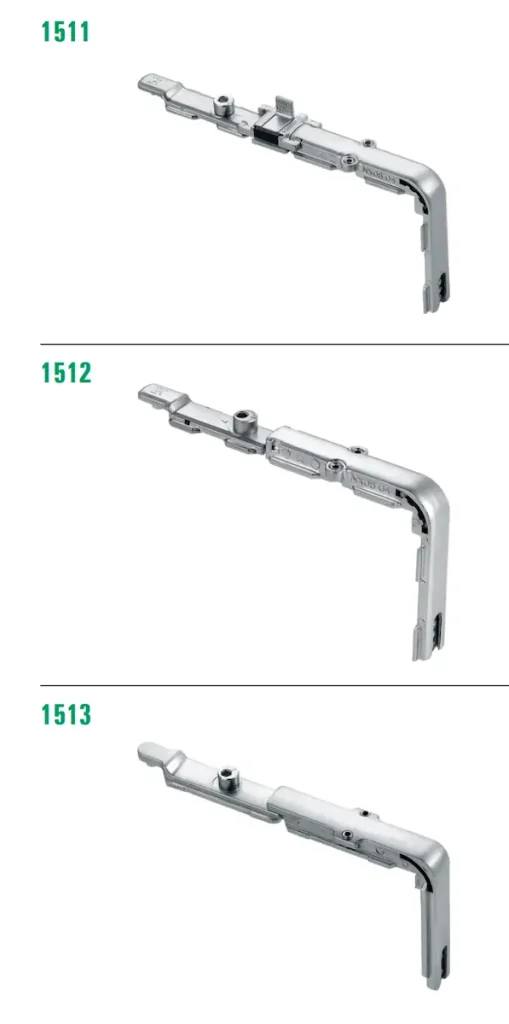
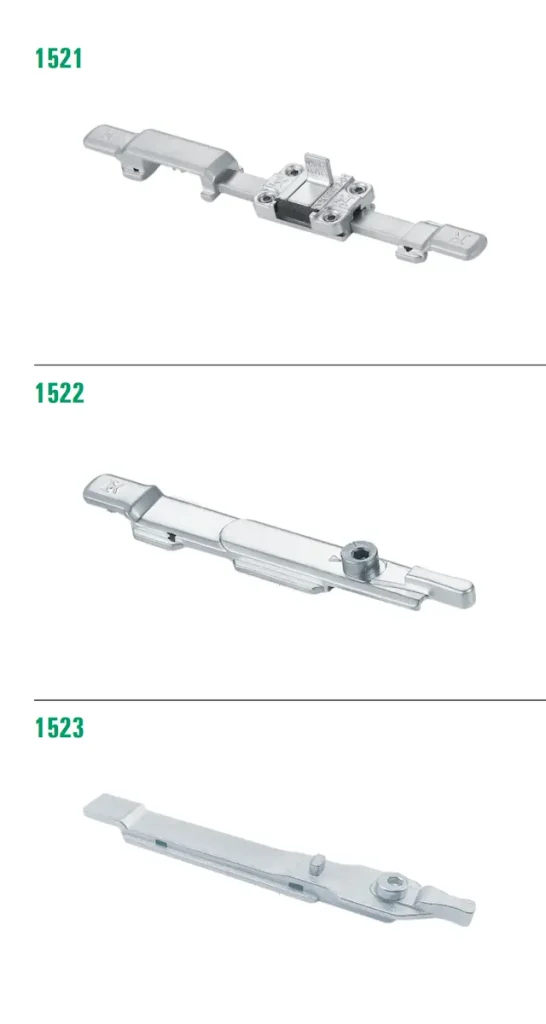
Drive-rod extensions lengthen or connect rods in a drive train. Weather and water bars are profile-fitted parts that help manage water at the sash or threshold. Length, cross-section, and connection details follow the customer’s drawing.
Limiters, Latches & Custom Fasteners
Limiters set a limit on movement, latches hold a sash or leaf closed, and custom fasteners secure hardware to profiles. Each is made to the buyer’s design. For opening restrictors, see our friction stays and restrictors.
Custom Hardware Assemblies & Made-to-Drawing Parts
Where a project needs several parts supplied together, we sub-assemble them into kits or assemblies. This reduces the number of items a buyer must source and receive separately. We also manufacture specialty parts from a drawing or sample, provided they are feasible with the processes below. Feasibility is confirmed before a quotation is issued.
Materials for Hardware Components
Material is chosen by the load a part carries, its exposure, its finish, and cost. Final selection is confirmed during drawing review.
| Material | Typical Component Use | Common Processes |
|---|---|---|
| Aluminum alloy | Brackets, caps, trim rings | Die casting, CNC machining, stamping |
| Zinc alloy | Keeps, housings, decorative parts | Die casting, post-casting machining |
| Stainless steel | Strikes, fasteners, formed parts | Stamping, CNC machining |
| Carbon steel | Plates, rods, formed parts | Stamping, forming, plating |
| Engineering plastics | Caps, guides, inserts | Selected per design |
Aluminum & Zinc Alloys
Aluminum alloy is lightweight and matches aluminum profile systems. Zinc alloy die casts into detailed shapes with consistent geometry. Both can be machined after casting where fit-critical faces require it.
Stainless Steel & Carbon Steel
Stainless steel suits strikes, fasteners, and parts exposed to moisture. Carbon steel suits formed plates and rods and is finished for corrosion protection. Grade and finish are confirmed per project.
Engineering Plastics for Caps, Guides & Inserts
Plastic caps, guides, and inserts reduce metal-to-metal contact and can be made in colors that suit the window or door. The plastic type is agreed with the buyer.
Manufacturing Processes
Components range from flat stamped plates to detailed die-cast housings. The process route is chosen by shape, strength needs, and order volume.
Aluminum & Zinc Die Casting
Die casting produces parts with complex shapes and consistent geometry. We handle tooling and mold development, then machine critical faces and holes after casting.
Metal Stamping & Sheet-Metal Fabrication
Stamping, punching, bending, and sheet-metal fabrication make plates, brackets, and formed parts. This route suits flat or bent parts, from small batches to volume. Die casting is usually chosen when the part needs a three-dimensional shape, and stamping when it can be formed from sheet.
CNC Machining, Drilling & Tapping
CNC milling and turning, drilling, and tapping create precise features such as bores, slots, and threads. These operations are often applied after casting or stamping to bring fit-critical features to the drawing. Deburring removes sharp edges before finishing.
Component & Kit Sub-Assembly
We assemble multiple parts, including fasteners, into kits or assemblies, then check that the result matches the drawing and works as intended.
Surface Finishing
Finish affects corrosion resistance and appearance. Suitability depends on the base material.
Powder Coating & Anodizing
Powder coating applies to metal parts and can be matched to a requested color. Anodizing applies to aluminum parts only. Color matching is confirmed on a sample before production.
Electroplating & Polishing
Electroplating suits zinc and steel parts and adds a protective surface layer. Polishing prepares surfaces for a decorative or plated finish. Finish requirements should be stated in the RFQ because they can affect tolerances on mating surfaces.
Custom Design, DFM & OEM/ODM Production
We support made-to-drawing OEM production and ODM development. Starting points can be drawings, 3D CAD files, photos, or physical samples. Customization commonly covers dimensions, materials, finishes, assemblies, and branding.
Made-to-Drawing & Sample-Based Development
Our engineers review the part for manufacturability. We give DFM feedback on wall thickness, tolerances, and finish suitability before tooling is made. Where only a sample exists, we measure it and prepare 3D models for approval.
Prototyping, Tooling & Small-Batch Pilots
A typical path runs from drawing review through 3D printing and prototypes to tooling and sample production. Small-batch pilots can precede volume production. The buyer approves a sample first, and tooling cost, quantities, and lead time are confirmed per project.
Applications & Compatibility
A component must suit the profile it is fitted to and the hardware it works with. We review profile and mating-part details before quoting.
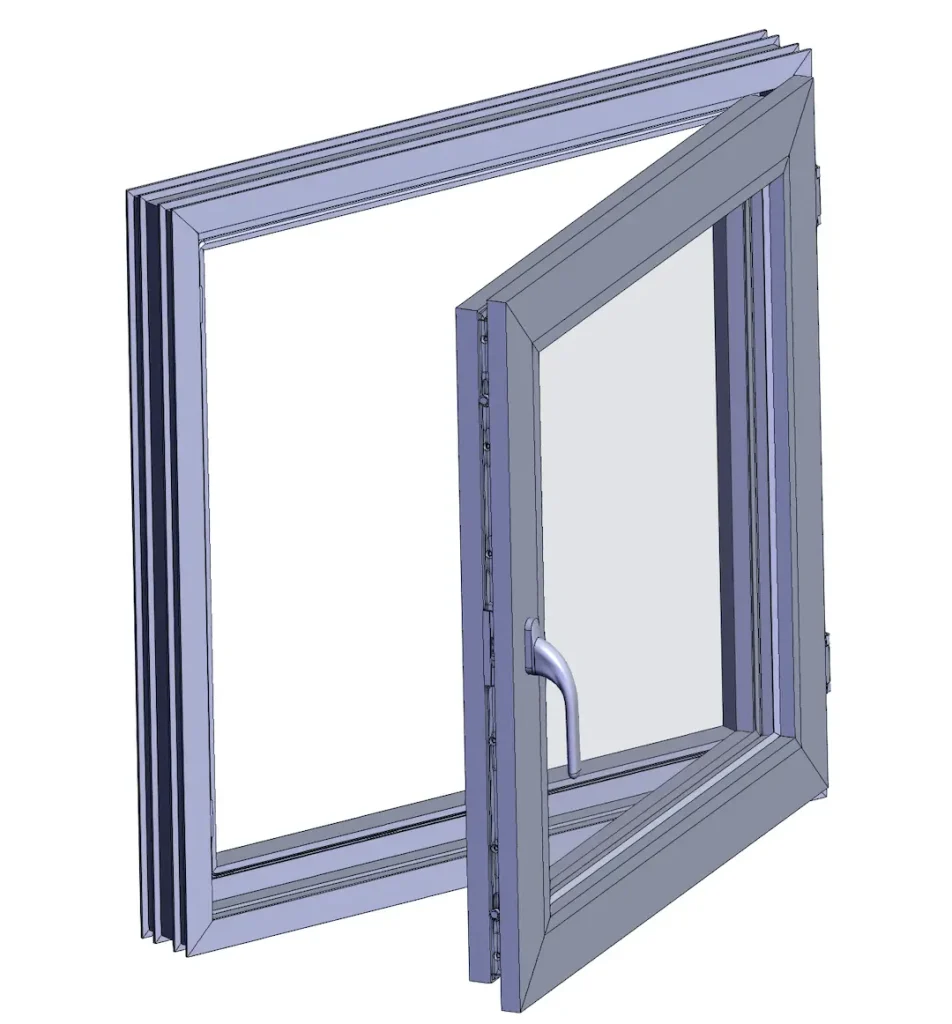
Aluminum Casement, Tilt-and-Turn & Sliding Systems
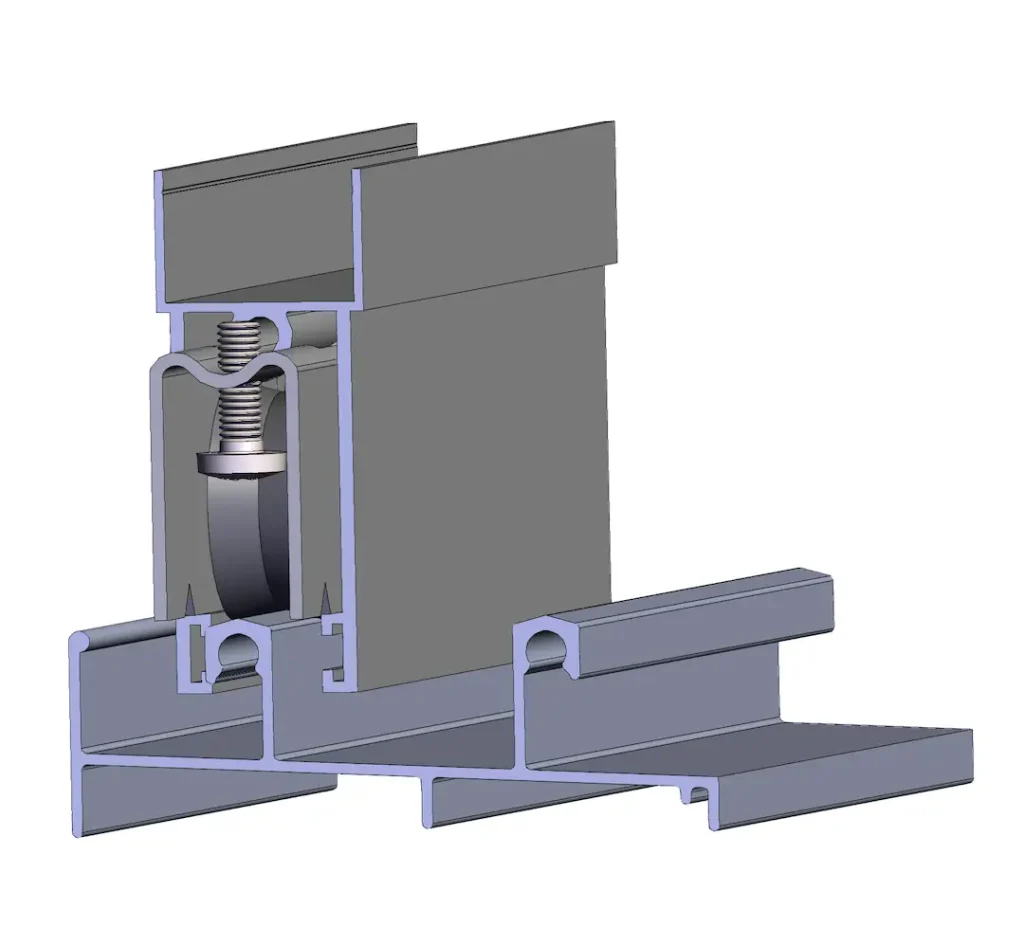
Aluminum systems use many small parts, each matched to a narrow profile and groove. Hole positions, thickness, and finish are made to the customer’s drawing. Finish is usually chosen to coordinate with the profile coating or anodized surface.
uPVC Window & Door Systems
uPVC profiles often include steel reinforcement, so fixing methods and screw types are agreed with the buyer. Components are made to the customer’s mounting drawing.
Compatibility with Hinges, Handles, Locks, Stays & Rollers
Components often interface with other hardware. We do not assume universal compatibility. Interfaces are verified against the buyer’s drawings or samples. See our window and door hinges and window and door rollers for related product families.
Quality Control & Export Packaging
Quality control checks that components match the drawing and work as intended.
Dimensional Inspection
We inspect critical dimensions such as hole positions, thickness, and mounting faces. Inspection methods and acceptance criteria are agreed with the buyer at sample approval. For mixed orders, each component type is checked against its own drawing, so one part’s result does not stand in for another’s.
Fit & Functional Checks
Fit is verified against samples or mating parts, and functional checks apply where a part moves or locks. Test requirements such as cycle or salt-spray testing are defined by the buyer and confirmed before production. See our quality control process.
Export Packaging
Packaging is arranged per order to protect finishes and keep parts sorted by model, size, and finish, which helps buyers who order mixed components.
FAQ
What is the difference between a window lock keep and a strike plate?
A keep is the frame-side receiver that a cam, bolt, or hook engages. A strike plate is the facing plate around that opening, often used where the lock needs a defined engagement edge or a replaceable wear surface. On many aluminum and uPVC systems the two functions are combined in one part. We manufacture either form to the buyer’s drawing.
Can you reverse-engineer a component from a physical sample only?
Yes. Where no drawing exists, we measure the sample, prepare a 3D model for approval, and confirm manufacturability before tooling. Please also send the mating hardware or profile details so hole positions and interfaces can be checked.
Do you privately label brackets, keeps, and caps for OEM brands?
Yes. Branding, logo marks, and buyer-specified packaging can be included in an OEM program. Artwork, placement, and packing format should be stated in the RFQ.
Can you manufacture components that interface with third-party locks, hinges, or rollers?
Yes, provided the interface is defined. We work from the mating-part drawing or a physical sample and do not assume interchangeability with another brand’s catalog parts.
How do you confirm a cover cap will fit the hardware it conceals?
We check the cap against the housing or fixing it covers, using the buyer’s sample or a prototype. Fit, gap, and finish are approved on a sample before volume production.
Request an OEM/ODM Hardware Components Quotation
To start a manufacturing feasibility review for your custom window or door hardware components, send your inquiry through our contact page. Where applicable, include:
- Product drawings, 3D CAD files, photos, or physical samples
- Component type and intended window or door application
- Aluminum or uPVC profile details and mounting dimensions
- Interface, handing, and functional requirements
- Preferred materials, finishes, and performance requirements
- Estimated order quantities, packaging needs, and destination market
Our engineering team will review your specifications, advise on manufacturability, and provide a quotation.