Table of Contents
ALBANG is a custom window and door hinge manufacturer in China, based in Suzhou. We make custom casement hinges, friction hinges, concealed hinges, and related hinge assemblies for aluminum and uPVC systems, working as an OEM/ODM supplier for hardware brands, window and door system manufacturers, distributors, and industrial buyers worldwide. Hinges are produced to the buyer’s drawings, samples, or specifications.
Our factory covers product design, rapid prototyping, zinc and aluminum die casting, stamping, CNC machining, surface finishing, and hinge sub-assembly. Hinges are one product family within our aluminum and uPVC window and door hardware range. This page is an overview of the hinge families we manufacture. Model-level details are confirmed per project.
Hinge Types We Manufacture
A hinge carries the sash or leaf and controls how it opens. Hinge design depends on opening type, sash weight, profile groove, and whether the hinge is visible or concealed. We manufacture the main types used on aluminum and uPVC systems, each to the customer’s drawing. To compare casement, concealed, and 3D-adjustable hinges before sending an RFQ, view or download our Window and Door Hinge catalog.
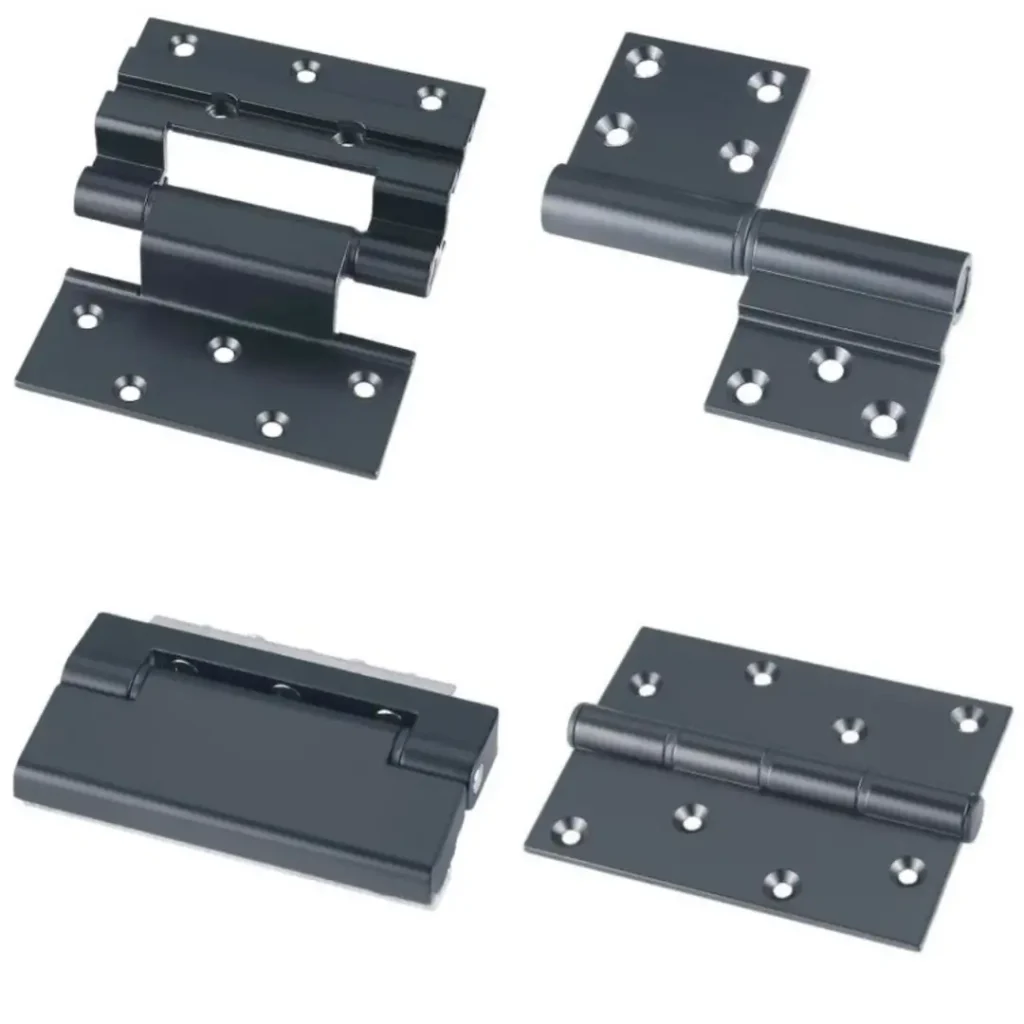
Aluminum Casement & Friction Hinges
Casement hinges carry a side-hung or top-hung sash on an aluminum profile. Friction hinges add controlled resistance so the sash holds the opening angle where it is set. Pin diameter, leaf size, stacking height, and mounting hole pattern are made to the buyer’s profile and drawing. For dedicated stay arms used with casement sashes, see our friction stays and restrictors.
Concealed, Pivot & Flag Hinges
Concealed hinges sit inside the rebate so they are hidden when the sash is closed. Pivot hinges rotate the sash on a vertical axis at the head and sill. Flag hinges use a visible flag-shaped leaf fixed to the frame and sash. Each type is made to the customer’s mounting geometry and opening angle.
uPVC Door Hinges & 3D-Adjustable Hinges
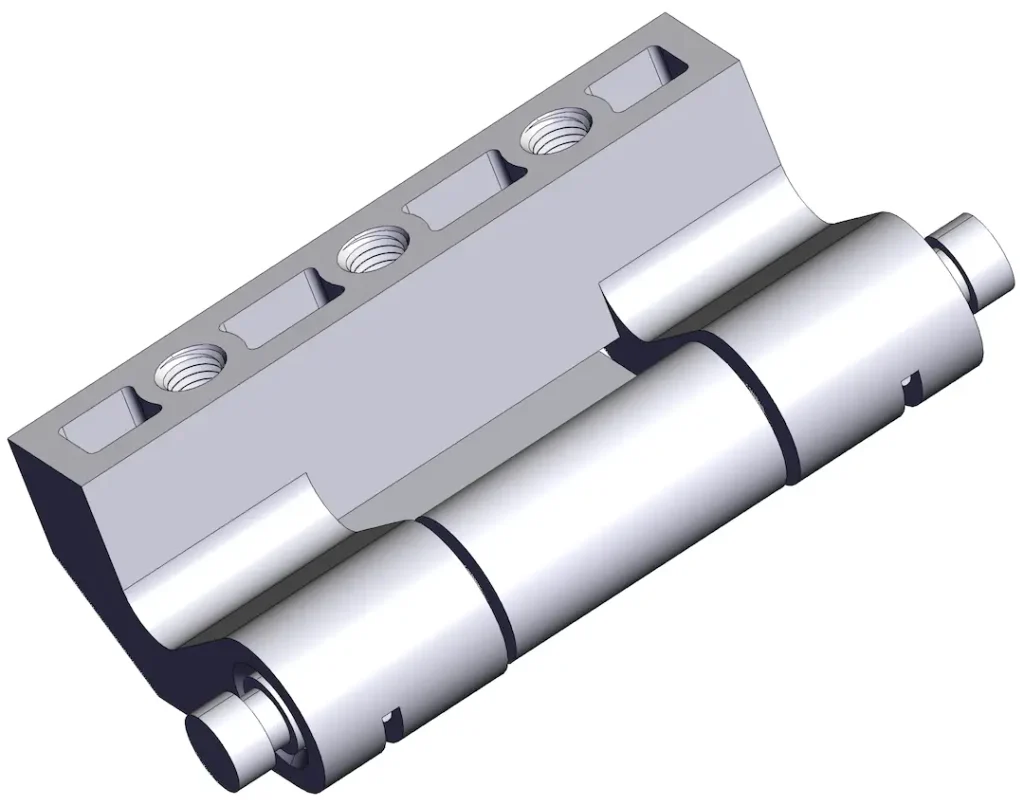
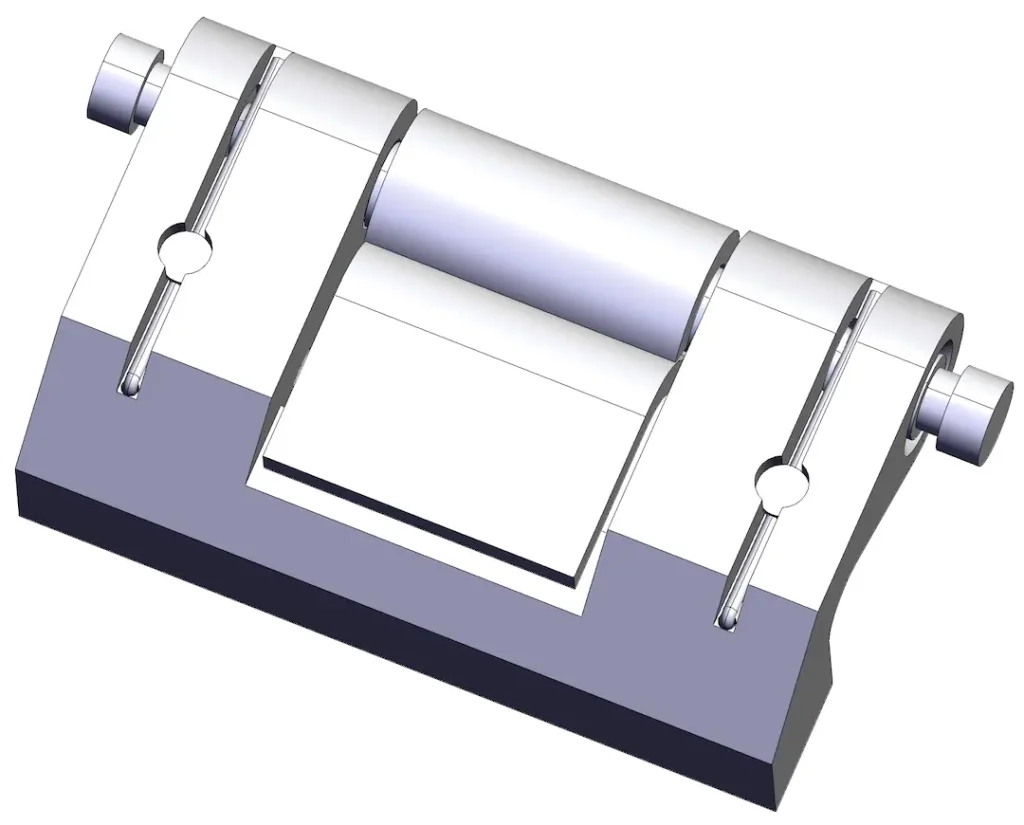
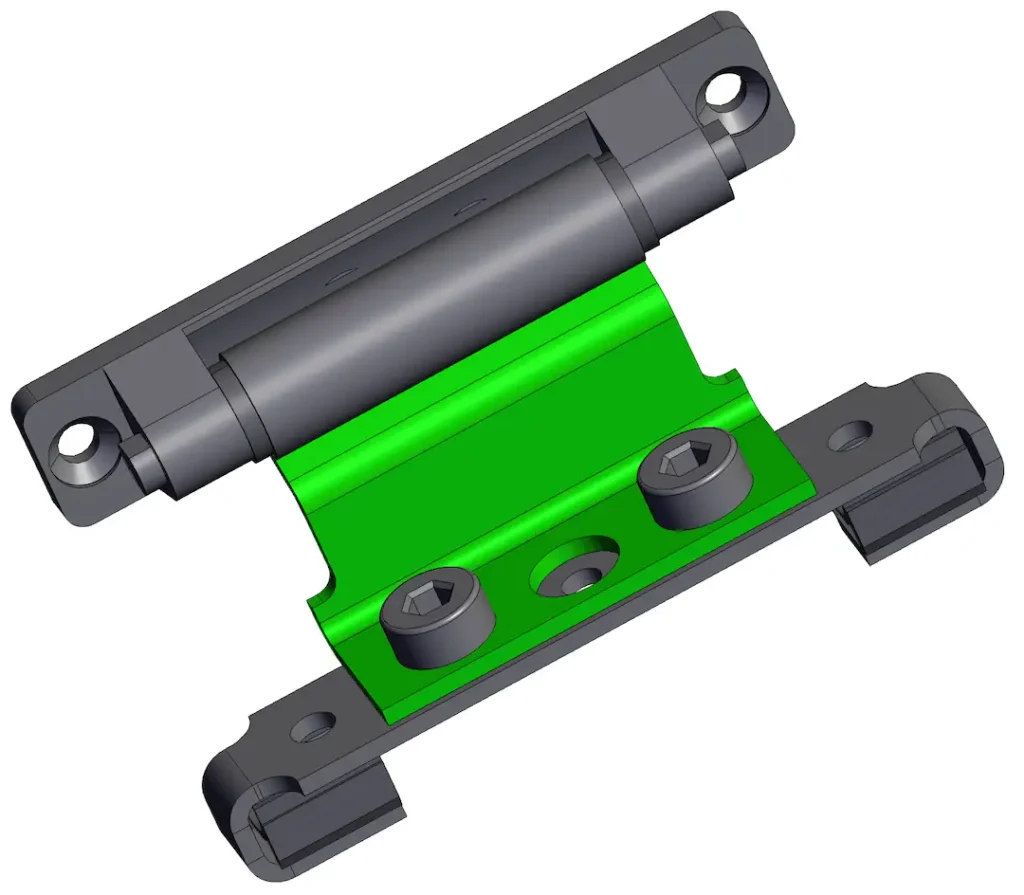
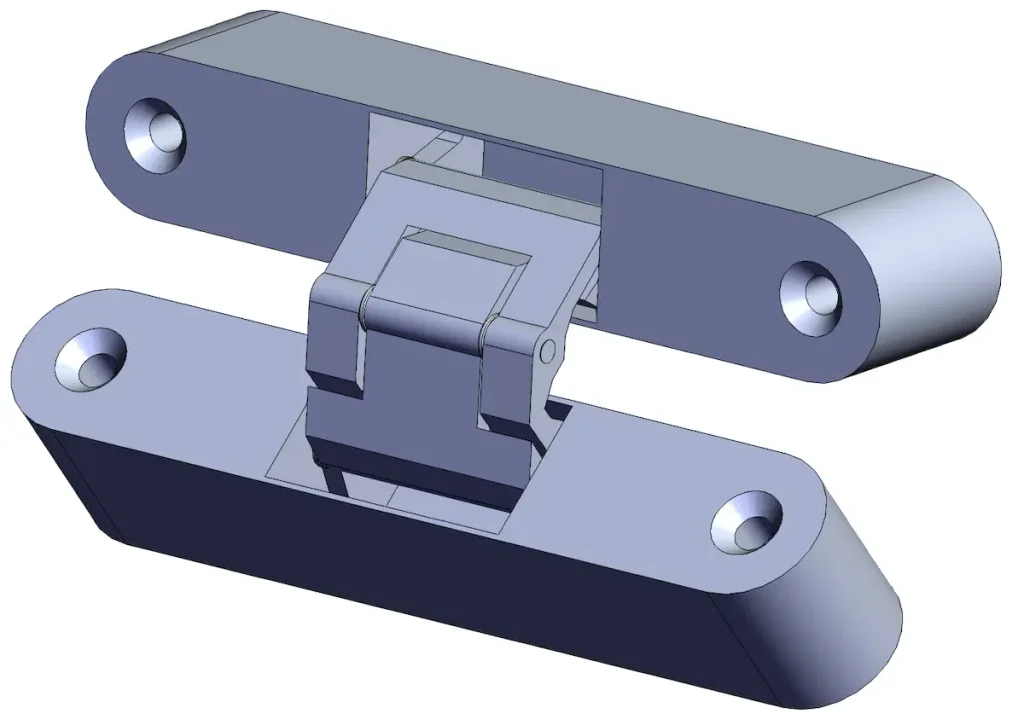
uPVC door hinges are sized for entry and casement door leaves and for the reinforcement inside the profile. 3D-adjustable hinges allow height, side, and compression to be set after fitting. Adjustment range, fixing pattern, and cover-cap details follow the buyer’s drawing and are confirmed on samples.
Tilt-and-Turn & Parallel-Opening Hinges
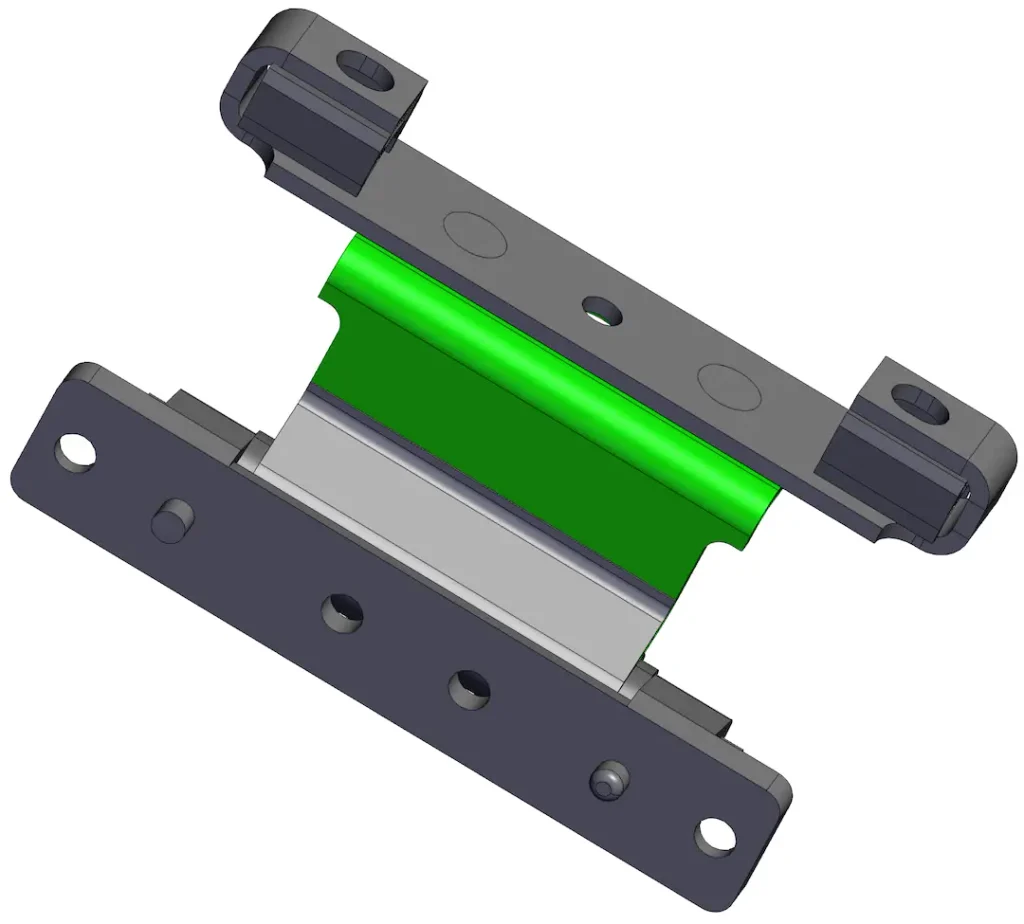
Tilt-and-turn hinges work with corner gearing so one handle can select closed, turn, and tilt positions. Parallel-opening hinges move the sash outward while keeping it parallel to the frame. Both depend on exact mating geometry, so we work from the customer’s drawing or sample and verify movement on prototypes.
Materials for Window & Door Hinges
Material is chosen by the load a hinge carries, its exposure, its finish, and cost. Final selection is confirmed during drawing review.
| Material | Typical Hinge Use | Common Processes |
|---|---|---|
| Zinc alloy | Hinge bodies, adjustable housings, caps | Die casting, post-casting machining |
| Aluminum alloy | Lightweight leaves and covers | Die casting, CNC machining |
| Stainless steel 304 / 316 | Pins, leaves, outdoor hinges | Stamping, CNC machining |
| Carbon steel | Formed leaves and plates | Stamping, forming, plating |
| Engineering plastics | Bushings, inserts, slide pads | Selected per design |
Zinc & Aluminum Alloys
Zinc alloy die-cast into hinge bodies with internal adjustment features and consistent geometry. Aluminum alloy reduces weight where the design allows. Both are machined after casting where pin bores and mounting faces require it.
Stainless Steel 304 / 316 & Carbon Steel
Stainless steel suits pins, leaves, and hinges exposed to moisture. Grade 316 is commonly considered where the buyer expects more corrosive conditions. Carbon steel leaves are finished for corrosion protection. Grade and finish are confirmed per project.
Engineering Plastics for Bushings & Inserts
Plastic bushings and inserts reduce metal-to-metal wear at the pin and help control movement. The plastic type is agreed with the buyer.
Manufacturing Processes
Hinges combine cast or stamped leaves, machined pin bores, and assembled pins and bushings. The process route is chosen by shape, strength needs, and order volume.
Zinc & Aluminum Die Casting
Die casting produces hinge bodies and adjustable housings with complex shapes. We handle tooling and mold development, then machine pin bores, adjustment features, and mounting faces after casting.
Stamping, Drilling & Tapping
Stamping and forming make hinge leaves and plates from sheet and strip. Drilling and tapping create fixing holes and threaded features. This route suits flat or bent leaves at higher volumes.
CNC Machining & Post-Casting Finishing
CNC milling, turning, drilling, and tapping bring pin bores, slots, and adjustment threads to the drawing. These are the surfaces that decide how smoothly the hinge turns and how well it holds adjustment. Deburring removes sharp edges before finishing.
Hinge Sub-Assembly
We assemble leaves, pins, bushings, and fasteners into complete hinges, then check opening movement and, where specified, adjustment travel.
Surface Finishing
Finish affects corrosion resistance and appearance. Suitability depends on the base material.
Powder Coating & Anodizing
Powder coating applies to metal parts and can be matched to a requested color. Anodizing applies to aluminum parts only. Color matching is confirmed on a sample before production.
Electroplating & Polishing
Electroplating suits zinc and steel parts and adds a protective surface layer. Polishing prepares surfaces for a decorative or plated finish. Finish requirements should be stated in the RFQ because they can affect fit at pin bores and adjustment threads.
Custom Design, DFM & OEM/ODM Production
We support made-to-drawing OEM production and ODM development. Starting points can be drawings, 3D CAD files, photos, or physical samples. Customization commonly covers dimensions, opening angle, handing, materials, finishes, and branding.
Made-to-Drawing & Sample-Based Development
Our engineers review the hinge design for manufacturability. We give DFM feedback on wall thickness, pin fit, tolerances, and finish suitability before tooling is made. Where only a sample exists, we measure it and prepare 3D models for approval.
Rapid Prototyping & Tooling
A typical path runs from drawing review through 3D printing and prototypes to tooling and sample production. The buyer approves a sample before volume production. Tooling cost, quantities, and lead time are confirmed per project.
Applications & Compatibility
A hinge must suit the profile it is fixed to and the sash or leaf it carries. We review profile and sash details before quoting.
Aluminum Casement & Awning Windows
Aluminum casement and awning windows use compact hinges matched to a narrow rebate or groove. Leaf size, pin position, and stacking height are made to the profile. Sliding windows use rollers instead, covered in our window and door rollers.
uPVC Casement & Entry Doors
uPVC profiles often include steel reinforcement, so fixing positions and screw types are agreed with the buyer. Door hinges are sized to the leaf weight and mounting drawing.
Compatibility with Locking Systems & Friction Stays
Hinges work with locks and stays on the same sash. We do not assume universal compatibility. Opening angle, handing, and corner clearance are verified against the buyer’s drawings or samples. See our window and door locking systems for related hardware. For hinge-adjacent plates and caps, see our window and door hardware components.
Quality Control & Export Packaging
Quality control checks that hinges match the drawing and work as intended.
Dimensional & Fit Inspection
We inspect critical dimensions such as pin diameter, hole positions, leaf thickness, and stacking height. Fit is verified against samples or mating parts. Inspection methods and acceptance criteria are agreed with the buyer at sample approval.
Functional & Load Checks
Functional checks confirm smooth opening, correct handing, and, where specified, adjustment travel. Test requirements such as load or cycle testing are defined by the buyer and confirmed before production. We do not quote load ratings until they are confirmed for a project. See our quality control process.
Export Packaging
Packaging is arranged per order to protect finishes and keep hinges sorted by model, handing, and finish.
FAQ
What is a 3D-adjustable hinge, and can you manufacture one to drawing?
A 3D-adjustable hinge lets height, side position, and compression be set after the door or sash is hung. We manufacture the body, adjustment features, and cover caps to the buyer’s drawing and confirm the adjustment range on a sample.
Do you manufacture both left-hand and right-hand hinges?
Yes. Handing follows the drawing or sample. Casement, flag, and many tilt-and-turn hinges are handed; some concealed and pivot designs are reversible. Please mark handing on the RFQ.
What is the difference between a friction hinge and a concealed hinge?
A friction hinge holds the sash at the opening angle where it is set. A concealed hinge is hidden in the rebate when the sash is closed. The two functions can be combined in one design, but they are specified separately: friction for holding force, concealment for appearance.
Can opening angle and stacking height be customized?
Yes. Opening angle, stacking height, and mounting hole pattern are made to the profile and drawing. Stacking height must fit the rebate or groove, so that dimension should be stated in the RFQ.
Can you match an existing hinge from a sample when no drawing is available?
Yes. We measure the sample, prepare a 3D model for approval, and confirm pin fit, handing, and mounting holes before tooling. Please also send the profile or sash details so clearance and opening path can be checked.
Request an OEM/ODM Hinge Quotation
To start a manufacturing feasibility review for your custom window or door hinge project, send your inquiry through our contact page. Where applicable, include:
- Product drawings, 3D CAD files, photos, or physical samples
- Hinge type and intended window or door application
- Aluminum or uPVC profile details and mounting dimensions
- Opening angle, handing, sash or leaf weight, and functional requirements
- Preferred materials, finishes, and performance requirements
- Estimated order quantities, packaging needs, and destination market
Our engineering team will review your specifications, advise on manufacturability, and provide a quotation.