Table of Contents
Albang Hardware supplies glass spider fittings for glass curtain walls, canopies, façades, atriums, and point-supported structural glass systems. As a China-based factory specializing in Structural Glass Fittings, we supply B2B buyers with stainless steel spider fittings, routels, adapters, fixing bolts, and related architectural glass hardware.
Our glass spider fittings are made for clean appearance, stable glass support, practical installation, and export-ready quality control.
Glass Spider Fittings for Frameless Architectural Glass Systems
Glass spider fittings are stainless steel point-fixing components used to connect glass panels to steel structures, concrete walls, glass fins, trusses, or embedded plates. They are widely used in frameless glass façades where a clean and transparent appearance is required.
For B2B projects, spider fittings must match glass thickness, drilled hole size, panel layout, load requirements, installation tolerance, and surface finish. Albang Hardware supplies both standard and custom glass spider fittings for project-based orders.
Main Product Positioning
Glass spider fittings belong to architectural glass hardware and structural glass fittings. They are often used together with glass routels, countersunk glass bolts, washers, sleeves, gaskets, adapters, and base plates.
Who Uses These Products?
Typical buyers include façade contractors, architectural hardware distributors, glass system installers, construction companies, OEM/ODM sourcing teams, and project procurement managers. Many buyers need a reliable China manufacturer that can support both standard wholesale supply and custom service for project-based requirements.
What Are Glass Spider Fittings?
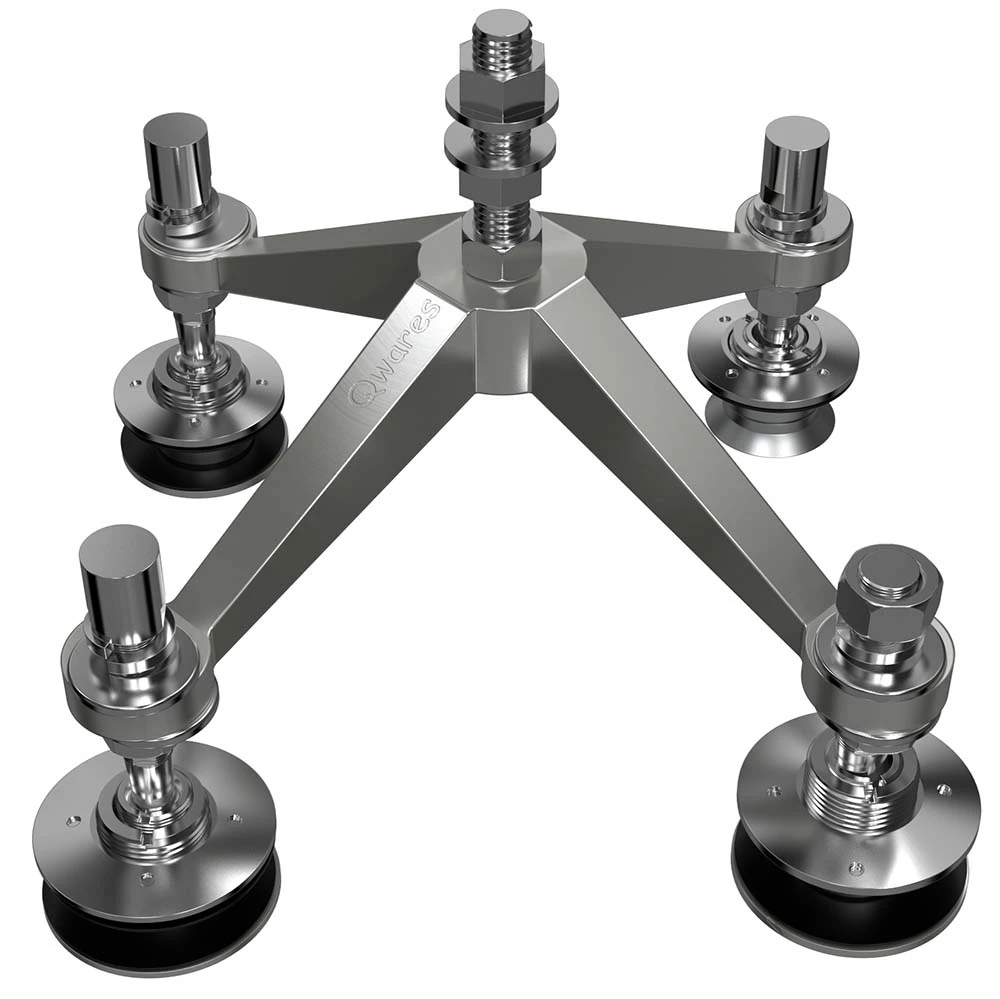
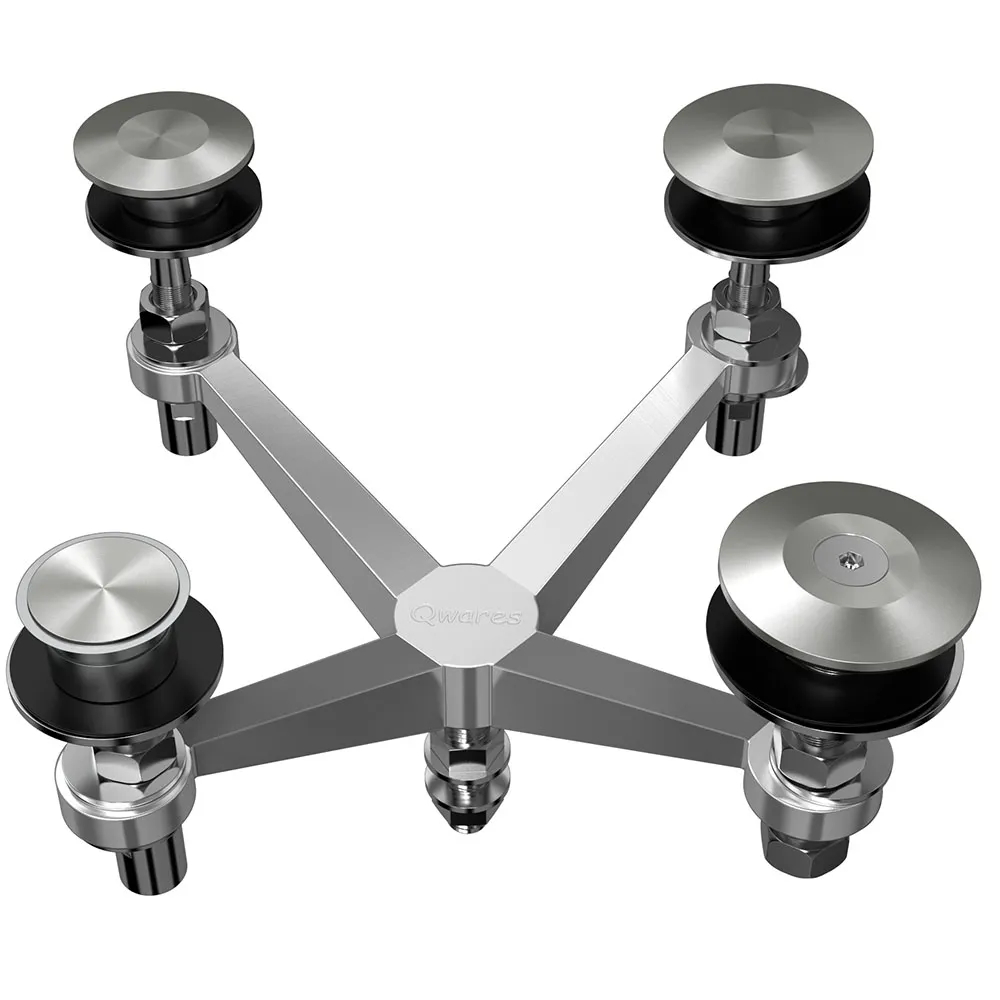
Glass spider fittings are metal connectors with one or more arms. Each arm connects to a routel or glass fixing bolt that passes through a drilled glass hole. The spider body then connects to the support structure through a base, adapter, bolt, or welded steel bracket.
In a point-supported glass system, each glass panel is usually held at multiple points instead of along the full edge. This creates a frameless, lightweight, and modern appearance. Because loads are concentrated around fixing points, component quality and correct installation are very important.
Glass spider fittings are also searched and specified as spider fittings, spider glass fittings, glass spider, spider glass connectors, point-fixed glass fittings, point-supported glass fittings, frameless glass fittings, stainless steel spider fittings, glass façade spider fittings, and spider fittings for glass curtain wall.
How the System Works
The glass panel transfers dead load, wind pressure, and movement forces to the routel. The routel transfers the load to the spider body. The spider body transfers the load to a steel structure, concrete wall, glass fin, or support bracket. Washers, sleeves, and gaskets help protect the glass from direct metal contact and reduce local stress concentration.
Why Stainless Steel Is Common
Stainless steel 304 and stainless steel 316 are common choices for spider fittings because they offer good corrosion resistance, strength, and architectural appearance. For outdoor, coastal, or high-humidity environments, 316 stainless steel spider fittings are usually preferred.
Types of Glass Spider Fittings We Supply
Different projects need different arm configurations. The choice depends on glass panel layout, joint position, structure type, and installation method.
One Arm Spider Fittings
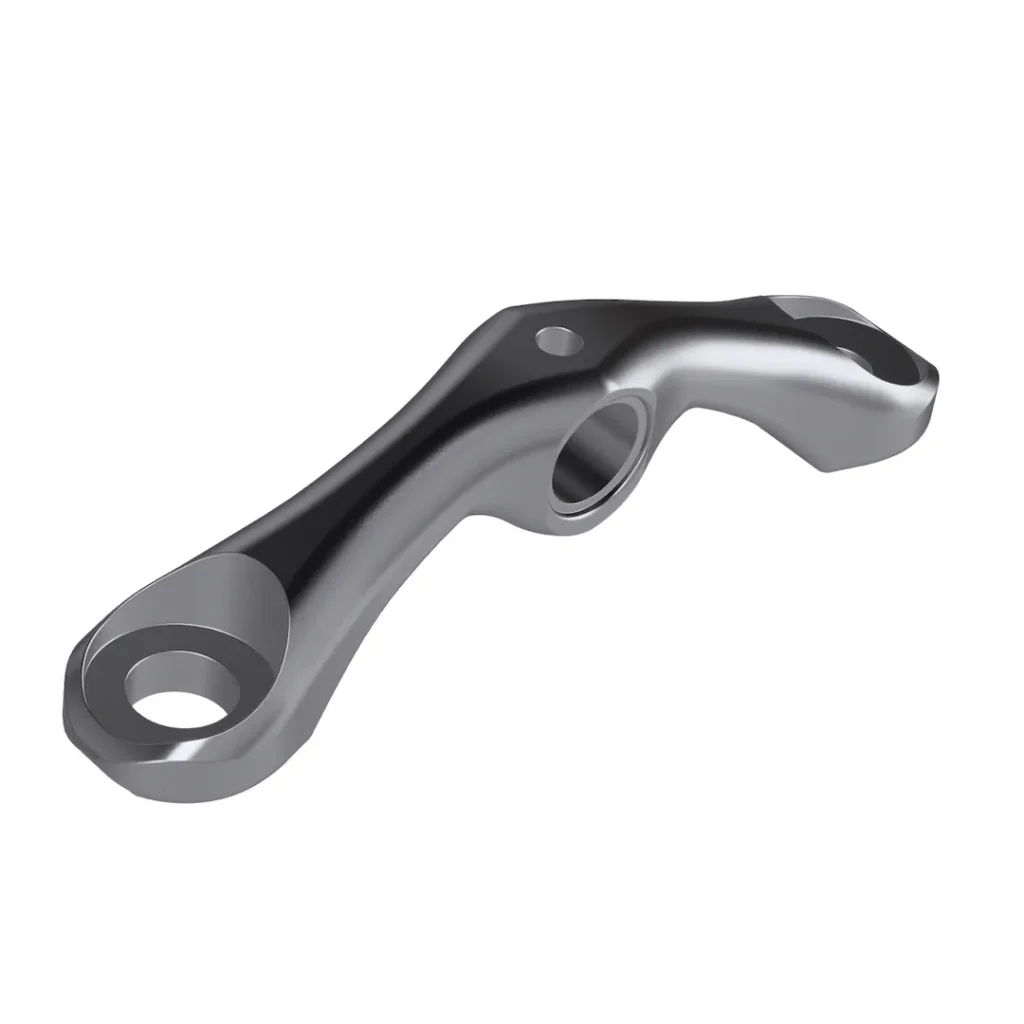
One-arm spider fittings are used at glass panel edges, corners, termination points, and special layout areas. They are suitable where only one point of glass support is required from a single fitting body. They are often used on façade edges, canopy side areas, or custom glass wall details where a larger spider body is not suitable.
Two Arm Spider Fittings
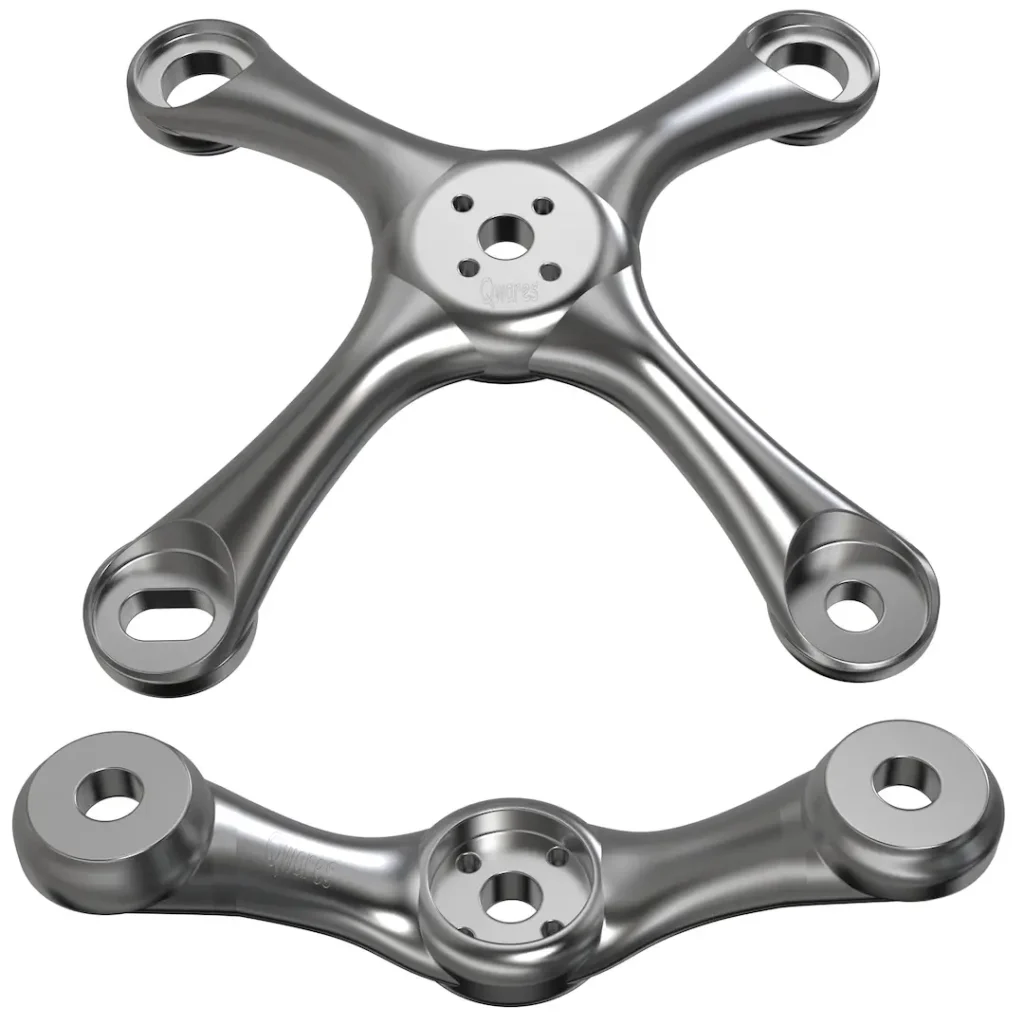
Two-arm spider fittings are widely used along vertical or horizontal glass joints. They connect two glass panels and help maintain alignment across the joint line. They are common in glass curtain walls, glass façades, atriums, and interior structural glass walls.
Three Arm Spider Fittings
Three-arm spider fittings are used for special joint layouts, corner transitions, or irregular panel arrangements. They are less common than two arm and four-arm types but are useful for complex architectural designs.
Four Arm Spider Fittings
Four-arm spider fittings are used where four glass panels meet. This is one of the most common types for point-supported glass curtain wall systems. They are widely used in commercial buildings, airports, shopping malls, hotels, office buildings, and public architectural glazing projects.
Custom Spider Fittings
Custom spider fittings are required when the project has special geometry, heavy glass, curved glass, special angle requirements, unusual support structures, or non-standard finishes.
Albang Hardware can support custom service according to drawings, samples, specifications, and project requirements.
Glass Spider Fittings Drawings Free Download
Albang Hardware offers free AutoCAD drawings for various models of glass spider fittings. Click the link below to download.
200mm glass spider fittings
210mm glass spider fittings
220mm glass spider fittings
250mm glass spider fittings
300mm glass spider fittings
250/400mm glass spider fittings
300/600mm glass spider fittings
spider connector
Stainless Steel Materials for Spider Glass Fittings
Material selection affects corrosion resistance, appearance, mechanical performance, and long-term service life.
304 Stainless Steel Spider Fittings
304 stainless steel is commonly used for indoor applications, general architectural hardware, and moderate outdoor environments. It offers good appearance and practical corrosion resistance for many standard projects.
316 Stainless Steel Spider Fittings
316 stainless steel is preferred for outdoor façades, coastal buildings, humid environments, and higher corrosion-risk areas. For glass canopy fittings and exterior glass façade spider fittings, 316 is often a better choice.
Duplex Stainless Steel for Special Projects
Duplex stainless steel may be considered for demanding structural or corrosive environments. It is usually project-specific and should be confirmed according to engineering requirements.
Carbon Steel Support Parts
Some hidden structural parts, brackets, or embedded plates may use carbon steel with galvanizing, painting, or other protection. However, the visible spider fitting body is normally stainless steel.
Surface Finishes for Architectural Glass Hardware
Surface finish affects both appearance and corrosion performance. It also affects how the hardware matches other façade, railing, or canopy components.
Satin Finish
Satin finish is one of the most popular finishes for stainless steel spider fittings. It offers a soft matte appearance and fits modern commercial architecture.
Mirror Polish Finish
Mirror polish creates a bright reflective surface for premium architectural projects. It requires careful polishing and packing to avoid scratches during export shipment.
Brushed Finish
Brushed finish gives a directional texture and is widely used for stainless steel architectural hardware. It is suitable for glass walls, canopies, and balustrade projects.
PVD and Custom Finishes
PVD finishes such as black, gold, bronze, and champagne can be used for decorative architectural projects. Custom finishes should be confirmed by sample, color reference, and project environment.
Applications of Glass Spider Fittings
Glass spider fittings are used across many structural glass and architectural glazing systems.
Glass Curtain Walls
Glass curtain wall spider fittings create a transparent façade with minimal visible framing. They are often used for commercial buildings, airports, hotels, showrooms, and office towers.
Glass Canopies
For entrances, walkways, stations, and public areas, spider fittings can support overhead glass panels. In this application, laminated glass, correct fixing design, and reliable hardware are especially important. Buyers often combine spider fittings with Glass Canopy Fittings for complete project supply.
Glass Facades
Spider fittings for glass façade projects must balance appearance, load transfer, corrosion resistance, and installation tolerance. Stainless steel 316 is often selected for exterior use.
Glass Atriums
Large atriums require clean design, stable alignment, and consistent surface finish. Point-supported glass fittings allow wide transparent areas while maintaining structural connection points.
Glass Balustrades and Staircases
Spider fittings may also be used in some glass balustrade, staircase, and railing systems, depending on project design. For these applications, glass type, fixing position, and safety requirements should be confirmed carefully.
Key Components in a Spider Fitting System
A complete point-fixed glass system includes more than the spider body. Each component affects installation and performance.
Spider Body
The spider body is the main stainless steel component. It may have one, two, three, or four arms. The body can be cast, forged, machined, or fabricated according to design and order requirements.
Glass Routels
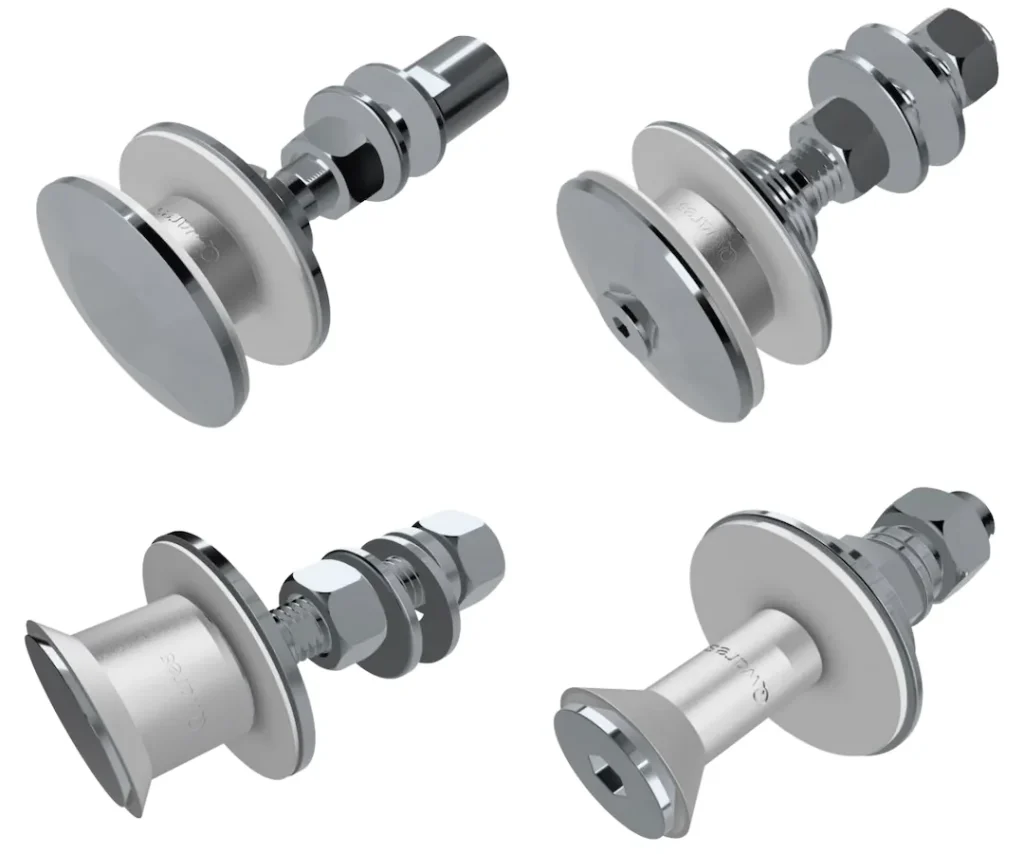
Routels connect the glass panel to the spider body. They pass through drilled glass holes and use washers, sleeves, and caps to protect the glass and secure the panel.
Countersunk Glass Fixing Bolts
Some projects require countersunk fixing design for a flush or low-profile appearance. Albang Hardware can supply Countersunk Head Glass Fixing Bolts for compatible glass hardware systems.
Adapters and Base Plates
Adapters and base plates connect the spider body to steel, concrete, glass fins, or embedded plates. They help manage distance, angle, and installation position.
Washers, Sleeves, and Gaskets
Rubber or plastic washers, sleeves, and gaskets help separate glass from metal contact. For project-specific sealing or protection requirements, buyers may also need Custom Seals & Gaskets.
Engineering Considerations for Point-Fixed Glass Fittings
Spider fittings are visible products, but they are also functional load-transfer components. Engineering review is important before production.
Glass Thickness and Hole Design
Glass thickness may vary by project, commonly from around 10 mm to 30 mm or more depending on the system. Hole diameter, hole edge distance, glass type, and routel design must match the drawing and engineering calculation.
Load Transfer
The fitting system must transfer dead load, wind load, and possible canopy load into the support structure. The glass panel, routel, spider body, adapter, bolts, and support frame should be considered as one system.
Installation Tolerance
Real construction sites often have tolerance differences between steel structures, concrete embeds, and glass panels. Adjustable spider fittings or articulated routels can help compensate for alignment variation.
Glass Stress Control
Direct hard contact between glass and metal should be avoided. Correct sleeves, washers, gaskets, and hole design help reduce stress concentration around fixing points.
Corrosion Resistance
Outdoor, coastal, industrial, and high-humidity environments require better corrosion control. Material grade, surface finish, and maintenance conditions should be confirmed before order.
Custom Glass Spider Fittings for OEM and Project Buyers
Many B2B buyers need more than standard catalog items. Albang Hardware supports OEM/ODM and custom glass spider fittings according to drawings, samples, project layouts, and technical requirements.
Custom Options
Customization may include arm length, body shape, hole position, adapter size, thread type, routel design, finish, material grade, logo marking, and packing method.
Drawing-Based Production
For accurate quotation and production, 2D drawings, 3D files, glass layout drawings, and installation details are recommended. If the buyer only has samples or photos, we can review feasibility and request key measurements.
Project-Based Supply
For façade contractors and architectural hardware suppliers, project consistency is important. We can support repeat batches with controlled dimensions, finish consistency, and export packing.
OEM/ODM Buyer Support
For distributors and wholesale buyers, we can support standard spider fittings, private packing, custom labels, and project documentation based on order requirements.
Quality Control and Export-Ready QA
Albang Hardware focuses on export-ready QA for architectural glass hardware. The goal is to reduce installation risk, avoid surface damage, and help buyers receive consistent products.
Incoming Material Control
Material grade should match order requirements, such as stainless steel 304 or 316. For important projects, material certificates can be requested.
Dimensional Inspection
Key dimensions include arm spacing, hole diameter, thread size, adapter length, body thickness, and assembly fit. These dimensions affect installation and glass alignment.
Surface Inspection
Visible stainless steel fittings require careful inspection for scratches, dents, polishing marks, stains, and finish inconsistency. Mirror and satin finishes need special handling.
Assembly Check
Routels, bolts, washers, sleeves, and adapters should be checked for fit and completeness before packing.
Export Packing
Each fitting should be protected to avoid surface damage during transportation. Cartons, foam, plastic bags, labels, and pallet packing can be arranged according to order quantity and destination.
Price Factors for Glass Spider Fittings
Glass spider fittings price depends on several cost drivers. Albang Hardware does not recommend choosing only the cheapest option for structural glass projects because material grade, machining accuracy, finish quality, and packing protection directly affect project risk.
Main Cost Drivers
Price is affected by stainless steel grade, arm configuration, size, weight, machining complexity, surface finish, routel type, adapter design, quantity, packing requirement, and inspection documentation.
Standard vs Custom Products
Standard spider fittings are usually more economical for wholesale orders. Custom spider fittings require drawing review, tooling or fixture preparation, machining adjustment, sample confirmation, and sometimes surface finish samples.
Quantity and Batch Planning
Larger batches usually reduce unit cost because production setup, polishing, inspection, and packing can be arranged more efficiently. For project buyers, it is better to estimate total quantity, spare parts, and future maintenance needs before ordering.
How to Request a Quotation
To quote accurately, please provide clear project and product information. This helps avoid wrong assumptions and reduces communication time.
Recommended RFQ Information
Please send spider type, arm number, material grade, surface finish, glass thickness, hole diameter, glass panel size, mounting structure, quantity, drawings, project location, packing requirements, and delivery destination.
Useful Drawing Files
PDF, DWG, STEP, IGES, or 3D model files are helpful. For custom spider glass connectors, drawings are especially important.
Application Details
Please tell us whether the fittings are used for a glass curtain wall, glass canopy, glass façade, atrium, balustrade, or special structural glass system.
Technical Requirements
If your project has wind load, glass type, safety standard, finish sample, salt spray requirement, or inspection document requirement, please include these details at the quotation stage.
Why Choose Albang Hardware
Albang Hardware is a Chinese structural glass fittings supplier serving B2B architectural projects, hardware distributors, façade contractors, and OEM/ODM buyers.
We focus on stainless steel spider fittings, spider glass fittings, glass routels, glass fixing bolts, canopy hardware, and related architectural glass hardware. Our support includes material selection, drawing review, custom service, production control, surface inspection, and export packing.
For buyers comparing manufacturers, suppliers, factory options, China price levels, wholesale supply, or custom service, the most important point is not only unit cost. A reliable glass spider fittings manufacturer should help you control appearance, fit-up, corrosion resistance, installation consistency, and delivery risk.
Albang Hardware can support your next glass curtain wall, glass canopy, façade, or structural glass hardware project with practical manufacturing experience and B2B export support.